
What Are Lice and How Do They Spread Everything You Need to Know
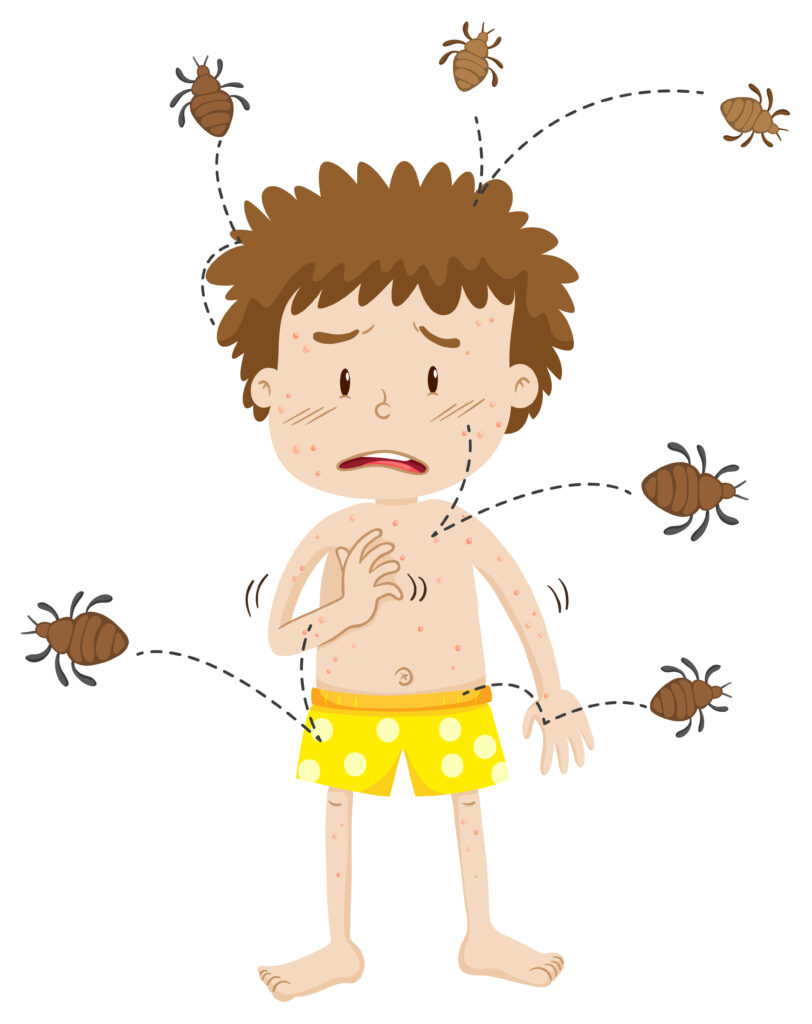
If you’ve ever felt a constant itch on your scalp or noticed tiny white specks near your hair roots, you might have encountered one of the most common hair problems — head lice. Though they’re small, these pests can cause major discomfort, especially when left untreated. Many people wonder: What exactly are lice? How do they spread? And most importantly — how can they be removed effectively?
In this blog, we’ll uncover everything you need to know about lice — their causes, how they spread, and the best ways to treat and prevent them.
What Are Lice?
Lice are tiny, wingless insects that live on the human scalp and feed on small amounts of blood from the skin. They’re parasitic, meaning they depend on humans to survive. The most common type affecting people is head lice (Pediculus humanus capitis).
Despite the embarrassment often associated with them, lice have nothing to do with hygiene. Even the cleanest scalp can be affected — they simply need a warm environment and close contact to thrive.
A single louse is about the size of a sesame seed and moves quickly through the hair. Female lice lay eggs called nits, which stick firmly to hair strands, usually near the scalp where it’s warm. Within a week, these eggs hatch into baby lice (called nymphs), which grow into adults and continue the cycle.
The Life Cycle of Lice
Understanding how lice develop can help you recognize the importance of early treatment. The life cycle of a louse has three stages:
- Egg (Nit):
Nits are tiny white or yellowish ovals attached to the hair shaft. They’re difficult to remove because they’re glued tightly to the strand.- Time to hatch: Around 7–10 days.
- Nymph:
After hatching, the baby lice (nymphs) start feeding immediately. They look like adult lice but are smaller in size.- Time to mature: About 9–12 days.
- Adult Louse:
Fully grown lice are tan or grayish-white and about 2–3 mm long. Female lice can lay up to 6–10 eggs per day, meaning infestations can multiply quickly if not treated.- Lifespan: Around 30 days on the human scalp.
Without a human host, lice usually die within 24–48 hours because they cannot survive without feeding.
How Do Lice Spread?
Lice don’t jump or fly — they crawl. That means head-to-head contact is the main way they spread. Here’s how:
1. Direct Head-to-Head Contact
This is the most common method. When people, especially children, play, hug, or share close space, lice can easily crawl from one scalp to another.
2. Sharing Personal Items
Although less common, lice can also spread through items like:
- Hairbrushes or combs
- Hats, scarves, or helmets
- Pillows or towels
If these items have been used by someone with lice, the insects can move to the next person who uses them.
3. Close Living Spaces
In schools, hostels, or homes where people are in frequent contact, lice can spread rapidly from one person to another.
4. Sleeping Close Together
Lice can crawl onto pillowcases or bedding for a short time, increasing the risk of spreading when others share the same sleeping area.
Common Myths About Lice
There are several misconceptions about lice. Let’s clear them up:
Myth 1: Lice only affect dirty hair.
Truth: Lice don’t care if your hair is clean or dirty. They just need warmth and blood to survive.
Myth 2: Lice can jump or fly.
Truth: Lice can’t jump or fly. They can only crawl, which is why direct contact is needed for spreading.
Myth 3: You can get lice from pets.
Truth: Human lice only live on humans — pets can’t spread them.
Myth 4: One treatment is enough.
Truth: Because lice eggs hatch after several days, multiple treatments may be necessary to completely remove them.
Symptoms of a Lice Infestation
Recognizing lice early helps prevent them from spreading. Common signs include:
- Persistent itching of the scalp and neck
- Tiny red bumps or irritation near the hairline
- The feeling of something moving in your hair
- White or yellowish nits attached near the scalp (they won’t flick off easily like dandruff)
- Sores or scabs caused by scratching
If you notice these symptoms, it’s time to act quickly.
How to Treat Lice Effectively
Treating lice is easier today than ever before, thanks to advanced salon treatments and safe home remedies.
Here are the most effective options:
1. Professional Lice Treatment (Recommended)
At salons like Amigos Gents & Ladies Beauty Parlour in Changanacherry, professional lice removal treatments are performed using gentle yet powerful anti-lice products and specialized techniques.
The process includes:
- Deep cleansing shampoo
- Anti-lice scalp treatment
- Fine combing to remove lice and nits
- Soothing hair spa to restore scalp health
This professional care ensures all lice and eggs are removed safely, without damaging your hair.
2. Medicated Shampoos and Lotions
You can find over-the-counter anti-lice shampoos that contain permethrin or pyrethrin, which kill lice. However, it’s crucial to follow instructions carefully and repeat the treatment after 7–10 days to eliminate newly hatched lice.
3. Combing Method
A fine-tooth comb (nit comb) helps remove lice and eggs manually. It works best after applying conditioner to damp hair, making it easier to slide the comb through strands.
4. Natural Remedies
Some natural treatments may also help reduce lice infestations, such as:
- Coconut oil or olive oil: Suffocates lice and makes combing easier.
- Tea tree oil: Has antibacterial and antiparasitic properties.
- Vinegar rinse: Helps loosen nits from the hair shaft.
(Always test for allergies before using natural oils.)
Preventing Lice Infestation
Once you’ve treated lice, preventing them from coming back is key. Here’s how:
Avoid sharing personal hair items like combs, hats, or towels.
Tie up long hair, especially in school or crowded places.
Wash bed linens, pillow covers, and clothes in hot water after treatment.
Regularly check your child’s hair for signs of lice.
Visit your salon (like Amigos) for routine scalp checks and professional care.
Prevention is all about awareness and hygiene — not about judgment.
Why Professional Help Is the Best Solution
While home remedies can help, professional lice treatment provides a safer, faster, and more thorough solution.
At Amigos Gents & Ladies Beauty Parlour in Changanacherry, expert stylists understand scalp care and lice removal in detail. They use gentle, non-toxic products that eliminate lice without harming your hair or scalp. Plus, they ensure every strand is carefully checked — giving you complete peace of mind.
With years of trusted service, Amigos has become the go-to salon for families looking for effective lice treatment in Changanacherry.
Conclusion
Lice are more common than most people think — but they’re also completely treatable. Knowing what lice are, how they spread, and how to remove them safely helps you protect your hair and your family’s health.
If you’re dealing with lice or want to prevent an infestation, visit Amigos Gents & Ladies Beauty Parlour, the No.1 Salon for Lice Treatment in Changanacherry. Their expert team provides gentle, effective care that leaves your hair clean, healthy, and lice-free.
Remember: it’s not about hygiene — it’s about awareness, care, and the right treatment. And Amigos is here to help you every step of the way.