
Top 7 Mistakes Parents Make When Treating Head Lice
Head lice are one of the most common yet frustrating problems parents face, especially when children start attending school or daycare. The itching, discomfort, and social embarrassment can make the situation stressful for both kids and parents. While many treatments are available today, lice often return—not because treatments don’t work, but because of simple mistakes made during the process.
Understanding these mistakes can save time, money, and unnecessary stress. In this guide, we’ll explore the top 7 mistakes parents make when treating head lice and how to avoid them for faster, safer, and more effective results.
- Starting Treatment Without Confirming It’s Really Lice
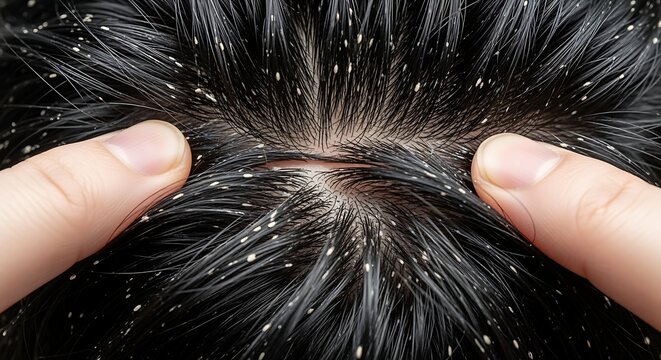
One of the most common mistakes is beginning treatment just because a child is scratching their head. Not every itchy scalp means lice. Dandruff, dry skin, allergies, or fungal infections can look similar to lice eggs (nits).
Treating without confirmation can lead to:
Unnecessary chemical exposure
Wasted money on lice products
Delayed treatment of the real scalp problem
What to do instead:
Use a fine-tooth lice comb and check the scalp under bright light. Live lice move quickly, while nits are firmly attached near the hair root. If unsure, consult a healthcare professional before starting treatment.
- Relying Only on Shampoo Treatments
Many parents believe that using an anti-lice shampoo once will completely solve the problem. Unfortunately, this is rarely true. Most shampoos kill live lice, but not all eggs. If eggs remain, new lice hatch within 7–10 days, restarting the infestation.
Why this is a mistake:
Eggs survive the first treatment
Reinfestation happens quickly
Parents assume the product failed
Better approach:
Combine shampoo treatment with manual combing using a metal lice comb. Repeat treatment after 7–10 days to kill newly hatched lice before they lay more eggs.
- Skipping the Second Treatment
Even when instructions clearly mention a second application, many parents forget or skip it once itching reduces. This is one of the biggest reasons lice return.
What happens when you skip it:
Surviving eggs hatch
New lice mature and lay more eggs
Infestation cycle continues
Correct method:
Always follow the full treatment schedule—even if the scalp looks clean. Consistency is the key to complete lice removal.
- Not Cleaning Personal Items and Surroundings
Treating only the child’s hair without cleaning their environment is another major mistake. Lice can survive for a short time on:
Pillowcases
Bedsheets
Towels
Hair brushes
Hats and scarves
If these items remain untreated, lice may crawl back onto the scalp.
Simple prevention steps:
Wash bedding and clothes in hot water
Soak combs and brushes in hot water for 10 minutes
Vacuum sofas, carpets, and car seats
Avoid sharing personal hair items
These small actions dramatically reduce reinfestation risk.
- Using Too Much or Too Little Product
Some parents apply extra product, thinking it will work faster. Others use too little to save money. Both approaches reduce effectiveness.
Overuse risks:
Scalp irritation
Chemical exposure
Hair damage
Underuse risks:
Surviving lice
Incomplete treatment
Quick return of infestation
Best practice:
Always follow the exact quantity and timing mentioned on the product label. More is not better—correct usage is what matters.
- Trying Only Home Remedies Without Proper Guidance
Natural remedies like coconut oil, vinegar, neem, or tea tree oil are popular among parents. While some may help loosen nits or slow lice movement, they rarely eliminate an infestation completely when used alone.
Common problems with home-only treatment:
Inconsistent results
Eggs remain attached
Infestation lasts longer
Smart solution:
Natural methods can be supportive, but combine them with clinically proven lice treatments and combing routines for reliable results.
- Not Checking Other Family Members
Lice spread easily through close contact. Treating only one child while ignoring siblings or parents can cause the infestation to return repeatedly.
Why this happens:
Another family member carries lice silently
Treated child gets reinfected
Cycle never truly ends
What to do:
Check everyone in the household at the same time. Treat anyone with live lice immediately to stop further spreading.
Bonus Tips for Faster and Safer Lice Removal
Beyond avoiding mistakes, a few smart habits can make lice treatment smoother:
✔ Use a Metal Lice Comb Daily
Wet combing every day for a week helps remove both lice and eggs physically.
✔ Keep Hair Tied in School
Braids or ponytails reduce head-to-head contact, lowering spread risk.
✔ Educate Children Without Scaring Them
Teach kids not to share combs, hats, or hair accessories—without making them feel embarrassed.
✔ Choose Gentle, Child-Safe Products
Look for treatments that are dermatologically tested, non-toxic, and safe for repeated use.
When Should You See a Doctor?
Most lice infestations can be treated at home, but medical help is recommended if:
The scalp becomes red, swollen, or infected
Lice continue after multiple correct treatments
The child has allergies or sensitive skin
You are unsure whether it’s lice or another condition
A healthcare professional can confirm diagnosis and suggest stronger treatment if needed.
Final Thoughts
Head lice are annoying—but they are not dangerous and do not reflect poor hygiene. The real challenge is not lice themselves, but the mistakes made during treatment.
By avoiding these seven common errors—
confirming lice properly, combining treatments with combing, repeating applications, cleaning surroundings, using correct product amounts, balancing natural remedies with medical care, and checking the whole family—parents can eliminate lice faster, safer, and with far less stress.
With the right knowledge and consistent care, your child can return to school confidently—itch-free and worry-free.