
What Are Lice and Nits? A Complete Guide to Causes, Symptoms, and Treatment
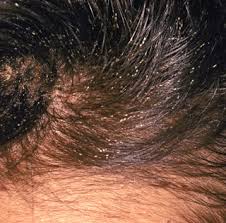
Lice and nits are a common yet misunderstood problem that affects people of all ages, especially children. Despite being widespread, many people feel embarrassed or confused when dealing with lice infestations. Understanding what lice and nits are, how they spread, and how they can be treated effectively is the first step toward eliminating them safely and permanently.
This guide explains everything you need to know about lice and nits in a simple, clear way.
Lice are tiny, wingless parasitic insects that live on the human scalp. They survive by feeding on small amounts of blood from the scalp. Head lice are not dangerous, but they can cause intense itching, irritation, and discomfort.
Lice are extremely small—about the size of a sesame seed—and are difficult to spot because they move quickly and blend into the hair.
Key Characteristics of Lice:
Live close to the scalp
Feed on human blood
Cannot jump or fly
Spread through close contact
Cause itching and scalp irritation
Contrary to popular belief, lice infestations are not caused by poor hygiene. Anyone can get lice, regardless of cleanliness or lifestyle.
What Are Nits?
Nits are the eggs laid by adult lice. They are oval-shaped, tiny, and firmly attached to hair strands, usually close to the scalp where warmth helps them hatch.
Nits are often mistaken for dandruff, but unlike dandruff, they do not fall off easily. They are glued to the hair with a sticky substance produced by the lice.
Important Facts About Nits:
Nits hatch into lice within 7–10 days
They are yellowish, white, or light brown
Found close to the scalp
Difficult to remove without proper treatment
Even if all live lice are removed, untreated nits can hatch and cause reinfestation.
Lice spread primarily through direct head-to-head contact. They crawl from one scalp to another but cannot fly or jump.
Common Ways Lice Spread:
Close contact between children
Sharing combs, brushes, or hair accessories
Using shared pillows, towels, or bedding
Crowded environments like schools and hostels
Lice spread easily in places where people stay close together for long periods.
Who Is Most Affected by Lice?
Although anyone can get lice, they are most commonly found in:
School-going children
Families with young kids
People in hostels or shared living spaces
Households where one member is already infected
Early detection is important to prevent spreading to others.
Signs and Symptoms of Lice and Nits
Recognizing the symptoms early can help stop the infestation from worsening.
Common Symptoms Include:
Persistent itching of the scalp
Redness or irritation on the scalp
Tickling or crawling sensation in the hair
Difficulty sleeping due to scalp discomfort
Visible nits or lice in the hair
Excessive scratching can sometimes lead to small wounds or infections on the scalp.
Why Lice and Nits Are Hard to Get Rid Of
Many people try home remedies, but lice and nits are notoriously difficult to eliminate completely.
Common Challenges:
Nits are strongly attached to hair
Some lice are resistant to over-the-counter products
Incomplete treatment leads to reinfestation
Improper combing leaves eggs behind
This is why professional lice and nits treatment is often more effective than home solutions.
Difference Between Lice and Nits
Feature Lice Nits
Type Live insects Eggs
Movement Crawl on scalp Fixed to hair
Visibility Small and fast-moving Tiny, oval, stationary
Risk Cause itching and irritation Hatch into lice
Both lice and nits must be removed to stop the infestation completely.
How Lice and Nits Are Treated
Effective lice and nits treatment involves a step-by-step process rather than a single solution.
Professional Treatment Usually Includes:
Detailed scalp examination
Application of safe treatment solutions
Thorough manual removal using fine-tooth combs
Rechecking for remaining nits
Follow-up sessions if needed
Professional salons use methods that are safe, hygienic, and suitable for all age groups.
Are Lice and Nits Dangerous?
Lice and nits do not spread serious diseases, but they can cause:
Severe itching
Skin irritation
Secondary infections from scratching
Emotional stress and embarrassment
Prompt treatment helps prevent these complications.
Can Lice Be Prevented?
While lice are common, certain steps can reduce the risk.
Prevention Tips:
Avoid sharing personal hair items
Tie long hair in schools
Regularly check children’s scalps
Wash bedding and towels regularly
Treat all affected family members together
Prevention combined with early treatment is key.
Why Professional Lice and Nits Treatment Is Best
Professional treatment ensures:
Complete removal of lice and nits
Safe and hygienic procedures
Reduced chances of reinfestation
Expert aftercare advice
Salons use proven techniques that are far more effective than home remedies.
Conclusion: Understanding Lice and Nits Is the First Step to Treatment
Lice and nits are a common problem, but they are completely manageable with the right knowledge and treatment. Understanding what lice and nits are, how they spread, and why professional care matters helps eliminate them safely and permanently.
Early detection, proper treatment, and preventive care can protect individuals and families from repeated infestations.
If you or your child are experiencing persistent itching or signs of lice, seeking professional lice and nits treatment is the most effective solution.